
 USA
USA
 Canada
 Australia

Introduction
Q4 is a practical time for Canadian businesses to review their books before the year closes. Using a year-end bookkeeping checklist can help identify missing records, unreconciled accounts, incorrect classifications, outstanding invoices, payroll discrepancies, and documentation gaps while there is still time to address them. A structured review also makes it easier to prepare books for year end instead of leaving everything until the final weeks.
Whether bookkeeping is handled internally or with professional support, reviewing your records early can make bookkeeping before tax season more organized and manageable. Businesses looking to keep their financial records structured can also explore NCSGX for practical bookkeeping and accounting support throughout the year.
Key Takeaways
- Review income, expenses, receivables, payables, payroll, and asset records before closing the year.
- Reconcile bank and credit card accounts and investigate unexplained differences.
- Organize supporting documents so financial information is ready for review and tax preparation.
- Review financial statements for unusual balances or transactions before the books are finalized.
Q4 Bookkeeping Checklist for Canadian Businesses
A clear Q4 bookkeeping review helps Canadian businesses catch errors, organize financial records, and resolve outstanding items before year-end. Use this checklist to review the key areas of your books and head into tax season with better-organized records.
Why Year-End Bookkeeping Matters for Canadian Small Businesses
Year-end review gives businesses an opportunity to catch bookkeeping errors before they become harder to trace. It can also highlight missing supporting documents, unreconciled transactions, old receivable or payable balances, and payroll discrepancies.
These year-end bookkeeping tasks are easier to manage when spread across Q4 rather than left until the last minute. Businesses can prepare books for yearend by reviewing accounts gradually, making bookkeeping before tax season less dependent on a rushed cleanup.
Review and Update All Income Records
Start by reviewing sales records, invoices, deposits, payment records, and other business income. Compare invoices with deposits and the accounting records to identify missing or duplicate entries.
A useful bookkeeping records checklist should include all major income sources and the supporting documents behind them. The CRA notes that business income records should be supported by original documents such as sales invoices, receipts, deposit slips, and contracts.
Verify and Categorize Business Expenses
Review expense transactions for duplicate entries, uncategorized transactions, unusual amounts, missing receipts, and incorrect account classifications. Supporting documents should be available for business transactions and organized so individual entries can be traced when needed.
This financial records cleanup can also highlight expenses that were posted to broad or incorrect accounts. Reviewing them before year-end makes the final records easier to understand and gives your accountant or tax professional clearer information to work with.
Reconcile Bank Accounts and Credit Cards
Bank and credit card reconciliation should be one of the core year-end bookkeeping tasks. Compare the accounting records with statements and investigate missing transactions, duplicate entries, bank fees, transfers, outstanding items, and unexplained differences. Completing reconciliations before closing the year helps identify problems while the transactions are still relatively easy to trace. It also gives the business a cleaner starting point for the next reporting period.
Review Accounts Receivable and Accounts Payable
For accounts receivable, review unpaid invoices, aging balances, duplicate invoices, and customer payments that may not have been matched correctly.
For accounts payable, review unpaid vendor bills, duplicate bills, overdue balances, and expenses that may not have been recorded appropriately. These checks form an important part of a bookkeeping checklist for small business, particularly when older balances have carried forward for several months. Regular accounts payable and receivable reviews can also help keep outstanding balances organized.
Check Payroll and Employee-Related Records
Compare payroll entries with payroll reports and review wages, payroll deductions, payroll liabilities, employee records, source deductions, and supporting payroll documentation.
If payroll information does not agree with the accounting records, investigate the difference before the year is closed. Keeping payroll documentation organized is also an important part of bookkeeping before tax season, particularly when records need to be reviewed by an accountant or tax professional.
Review Business Assets and Equipment Records
Review records for equipment, vehicles, computers, machinery, furniture, and other business assets. Check purchases, disposals, additions, and changes recorded during the year.
Your bookkeeping records checklist should include documentation supporting significant asset transactions. Tax-specific treatment, including depreciation or capital cost allowance, can depend on the asset and the business circumstances, so questions about tax treatment may require review with a qualified tax professional.
Clean Up Your Bookkeeping Records Before Year-End Closing
A practical financial records cleanup should address uncategorized transactions, old unreconciled items, duplicate entries, missing documentation, incorrect account balances, and stale receivable or payable balances. Doing this work before year-end is generally easier than allowing several more months of transactions to accumulate. Your year-end bookkeeping checklist should therefore include a final cleanup pass before the books are considered ready for review.
Prepare Important Financial Documents for Tax Season
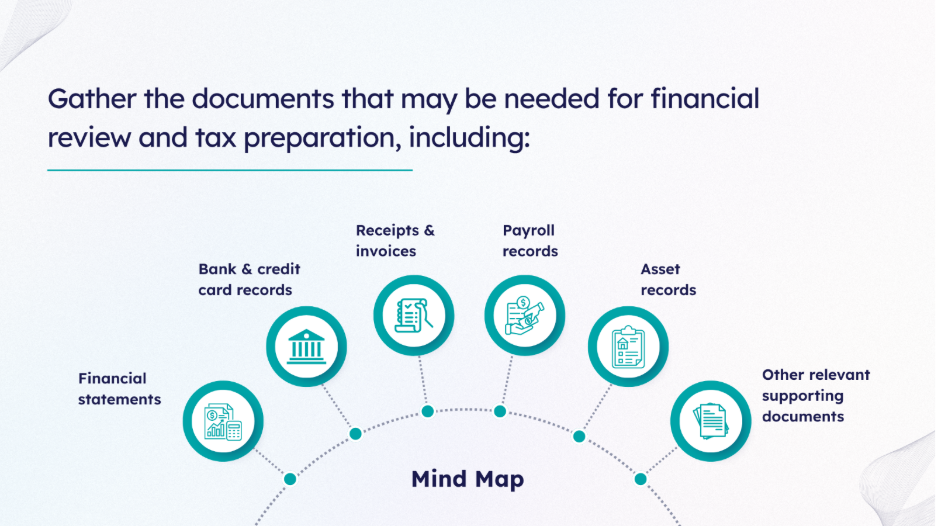
The exact records required can vary depending on the business structure and circumstances. The CRA identifies items such as invoices, receipts, bank statements, financial statements, and other supporting documents as business records.
Having these documents organized is a key part of bookkeeping before tax season.
Review Key Financial Reports Before Closing the Year
Before finalizing the books, review the Profit & Loss statement, Balance Sheet, accounts receivable aging, and accounts payable aging. Look for unusual income or expense movements and unexpected asset or liability balances. The purpose of this review is not to make final tax conclusions, but to identify questions or discrepancies that should be investigated while you prepare books for year end.
Common Year-End Bookkeeping Mistakes Small Businesses Should Avoid
Avoid these common problems when completing your year-end bookkeeping tasks:
- Waiting until the final weeks to start cleanup
- Leaving bank or credit card accounts unreconciled
- Ignoring old receivable or payable balances
- Recording expenses without supporting documentation
- Failing to review financial statements before closing the year
Final Year-end bookkeeping checklist for Canadian Small Businesses
Use this bookkeeping checklist for small business as a final review:
- Reconcile bank and credit card accounts.
- Review income, receivables, and payables.
- Check payroll and employee-related records.
- Organize receipts and supporting documents.
- Review assets, loans, and liabilities.
- Review the Profit & Loss and Balance Sheet.
This concise bookkeeping records checklist can help confirm that the major areas of the books have been reviewed before year-end.
How to Start Your Year-End Bookkeeping Review Early
Rather than treating year-end as one large cleanup project, divide the year-end bookkeeping tasks across several review sessions:
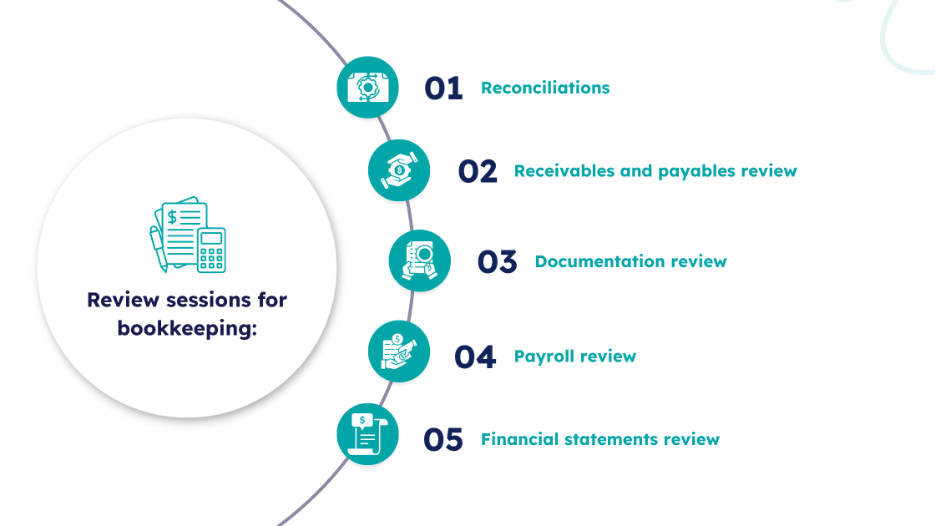
- Reconciliations: Clear bank and credit card differences.
- Receivables and payables: Review aging and outstanding balances.
- Documentation: Organize receipts, invoices, and supporting records.
- Payroll: Compare payroll records with accounting entries.
- Financial statements: Review reports for unusual balances or movements.
Breaking the work into smaller steps gives you more time to investigate issues and prepare books for year end without a rushed final review.
Conclusion
A Q4 review gives Canadian businesses a practical opportunity to complete their year-end bookkeeping checklist before the books are finalized. Reconciliations, documentation reviews, account cleanup, and financial statement checks can help identify issues earlier and make financial records cleanup more manageable. Keeping these tasks organized also creates a clearer starting point for bookkeeping before tax season. Contact us. For structured support with your year-end bookkeeping process.
How NCSGX Can Help
NCSGX can help Canadian businesses and accounting teams keep bookkeeping organized throughout the year by supporting account reconciliations, transaction classification, supporting documentation, accounts payable and receivable reviews, payroll-related bookkeeping records, and financial information preparation. A structured bookkeeping process can make it easier to maintain accurate records, identify outstanding items, and provide organized financial information for review.
Frequently Asked Questions (FAQ)
1. What bookkeeping tasks should a small business complete before year-end?
Complete bank and credit card reconciliations, review receivables and payables, check payroll records, organize supporting documents, review assets and liabilities, and verify the Profit & Loss and Balance Sheet.
2. What records should Canadian businesses keep for year-end bookkeeping?
Keep receipts, invoices, bank and credit card statements, payroll records, asset records, financial statements, and other documents that support business transactions.
3. How long should Canadian businesses keep bookkeeping records?
Generally, Canadian businesses must keep required records and supporting documents for six years from the end of the last tax year they relate to, subject to specific CRA rules and exceptions.
4. Why is bank reconciliation important during year-end bookkeeping?
Bank reconciliation helps identify missing, duplicate, or incorrect transactions and confirms that your bookkeeping records match the activity shown on your bank statements.
5. What financial documents should a business prepare before tax season in Canada?
Prepare financial statements, receipts, invoices, bank and credit card records, payroll records, asset records, loan statements, and other relevant supporting documents.
6. Can Canadian businesses use digital bookkeeping records instead of paper records?
Yes. Electronic records can be used when they meet applicable CRA requirements and remain complete, accurate, readable, and accessible for the required retention period.